
YouTube. We all know it, we all (probably) love it. But let’s be honest, the internet can be a wild west, especially for younger users. And YouTube, with its billions of hours of content, has a responsibility to keep its younger audience safe. So, what’s new? They’re rolling out some pretty significant changes involving YouTube AI Age Checks and enhanced safeguards for teens. But why does it matter? Let’s dive in, shall we?
Why This Matters | More Than Just ‘Good PR’
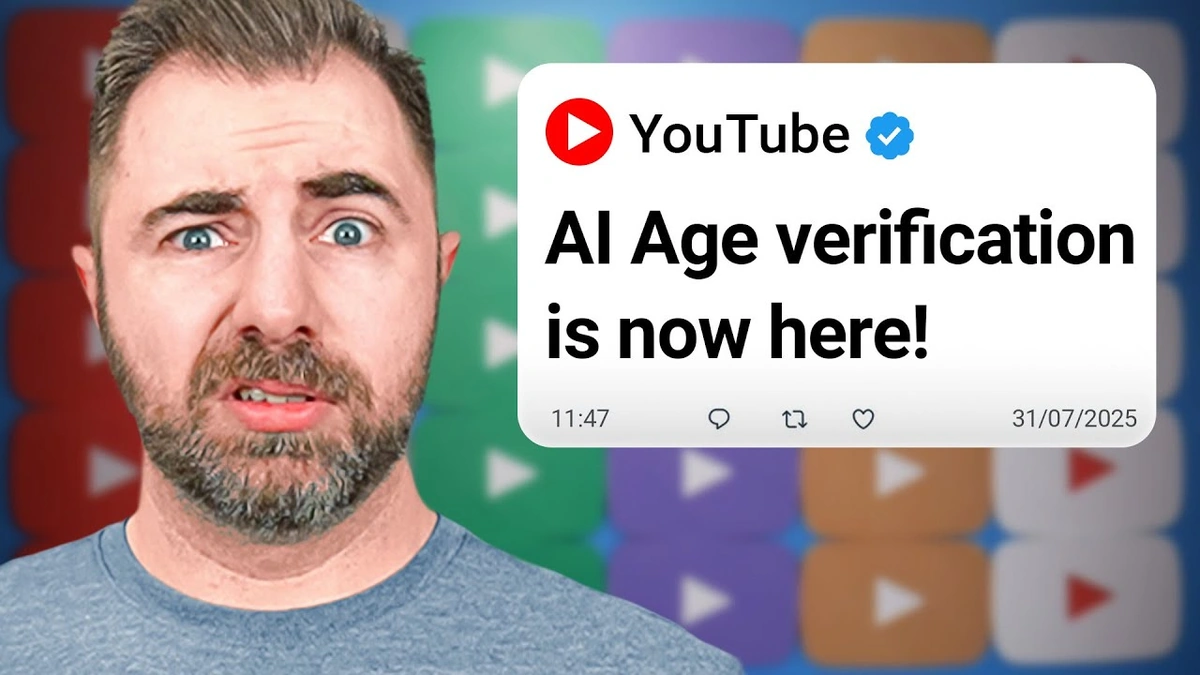
It’s easy to dismiss these kinds of announcements as just good public relations, right? A big company trying to look responsible. But here’s the thing: this is actually a crucial step in protecting vulnerable viewers. Think about it. YouTube is a primary source of information and entertainment for millions of kids. Without proper age verification and content moderation, they’re potentially exposed to harmful or inappropriate material. This isn’t just about shielding them from scary movies; it’s about protecting them from misinformation, predatory behavior, and content that could negatively impact their mental health. YouTube is actively trying to protect its users by investing in teen protection features.
The “why” behind this also ties into regulatory pressures. Governments worldwide are cracking down on social media platforms, demanding they take more responsibility for the content they host. Ignoring these demands isn’t an option for YouTube, so they’re getting ahead of the curve – or at least, attempting to. And frankly, that’s a good thing. Plus, the rise of deepfakes and AI-generated content makes age verification even more critical. It’s getting harder to distinguish reality from fiction online, especially for younger, more impressionable minds. The use of artificial intelligence offers a scalable solution, though it’s not without its own set of challenges, which we’ll get to.
How YouTube’s AI Age Verification Works (And Where It Might Stumble)
Okay, so how does this age verification system actually work? While YouTube hasn’t released all the specifics (probably to avoid people gaming the system), here’s what we know. They’re using a combination of AI and machine learning to analyze various signals. This includes things like the content of the video itself, the uploader’s history, and user reports. If a video is flagged as potentially containing adult content, viewers may be prompted to verify their age before watching it. This might involve logging into their Google account or providing additional information. One common mistake I see people make is not having their birth date correctly set in their Google account. The one thing you absolutely must double-check on your YouTube account is your age.
But let’s be real, no system is perfect. AI can be tricked, and determined individuals will always find ways around the rules. The effectiveness of this system hinges on how well YouTube can train its algorithms and how quickly it can adapt to new tactics used to bypass age restrictions. A common concern is the potential for false positives, where legitimate content is incorrectly flagged as inappropriate. This could lead to creators being unfairly penalized and viewers being denied access to content they should be able to see. According to the latest circular on the official YouTube website ( youtube.google.com ), appeals processes are in place, but it’s still a concern.
Teen Safeguards | More Than Just Age Verification
The enhancements to teen safeguards go beyond just age verification. YouTube is also implementing stricter content moderation policies, particularly around topics that are sensitive or potentially harmful to young viewers. This includes things like content that promotes unrealistic body images, glorifies risky behavior, or contains cyberbullying. They’re also increasing parental controls, allowing parents to have more oversight over what their kids are watching. This includes features like supervised accounts, which allow parents to choose from different content settings and monitor their child’s activity. As per the guidelines mentioned in the information bulletin, parents can now customize viewing experiences like never before.
These changes are particularly important in India, where a large percentage of the YouTube audience is under the age of 18. Many Indian families rely on YouTube as a source of education and entertainment for their children, but they also worry about the potential risks. These new safeguards offer a greater sense of security and peace of mind. Let me rephrase that for clarity: YouTube is attempting to provide parents with tools that promote a safer online experience for their children, but parental involvement is still vital.
The Role of Creators in a Safer YouTube
YouTube’s efforts aren’t just about algorithms and policies; they also rely on the cooperation of creators. The platform is encouraging creators to be mindful of their audience and to create content that is appropriate for all ages. This includes providing clear age ratings for their videos and avoiding topics that are potentially harmful to young viewers. What fascinates me is how the community is shifting to a more age-appropriate mindset.
YouTube is also providing resources and support to creators to help them understand the new guidelines and create content that is both engaging and safe. A common mistake I see people make is not understanding the community guidelines. YouTube has provided comprehensive resources to help guide you.
The Unpredictable Future | What’s Next?
So, what does all of this mean for the future of YouTube? It’s hard to say for sure. The platform is constantly evolving, and the challenges of protecting young viewers are only going to become more complex. But one thing is clear: YouTube is taking these issues seriously, and it’s committed to creating a safer online environment for everyone. I initially thought this was straightforward, but then I realized it will be an ongoing battle with new technologies and online trends constantly emerging.
Ultimately, the success of these efforts will depend on a combination of technology, policy, and community engagement. It’s not just about what YouTube does; it’s about what we all do to promote a safer and more responsible online world. And that, my friends, is something worth fighting for. It takes a village to raise a child, and in today’s digital age, that village extends to the online world. Remember to visit trending news for more updates.
FAQ Section
What if I forgot my application number?
If you forgot your application number, you can usually recover it through the official website by providing your registered email address and other details.
How accurate is YouTube’s AI age verification?
YouTube’s AI age verification is constantly improving, but it’s not perfect and can sometimes make mistakes.
What can parents do to further protect their children on YouTube?
Parents can use YouTube’s parental controls, supervise their child’s account, and have open conversations about online safety.
Where can I report inappropriate content on YouTube?
You can report inappropriate content on YouTube by clicking the three dots next to the video and selecting “Report”.


